How to Keep Your Garden Room Cool During UK Heatwaves?
.webp)
The bank holiday weekend welcomed the UK with a heatwave that most of us enjoyed, and then some wondered whether having a garden room would have elevated the summer experience.
Gardens stayed busy later into the evening, barbeques returned, and outdoor spaces became part of everyday life again.
For many homeowners, this is also when a garden room comes into its own, especially as more people look for a practical garden room for summer evenings, home working, and entertaining.”
Insulation Matters Just As Much During Summer
There is a common misconception that insulation is only important during winter. In reality, good insulation works both ways. It helps retain warmth during colder months while also slowing down external heat entering the building during summer.
At London Timber Buildings, all of our buildings are fully insulated with 100mm acoustic insulation within the walls, floor, and roof. We also use foil-backed plasterboards, which provide additional vapour resistance and help reflect heat away from the interior during warmer weather.
In practice, roof insulation tends to make one of the biggest differences during heatwaves because the roof absorbs prolonged sunlight throughout the day. Unlike uninsulated outbuildings that quickly become difficult to regulate, an insulated garden room generally maintains a far more stable and comfortable temperature.
For homeowners using the space as an office, gym, or annexe, upgraded insulation options are also available, depending on the intended use of the building.
Ventilation and Glazing Make a Huge Difference In a Garden Room
A garden room should still feel comfortable in the middle of July, not just during cooler mornings.
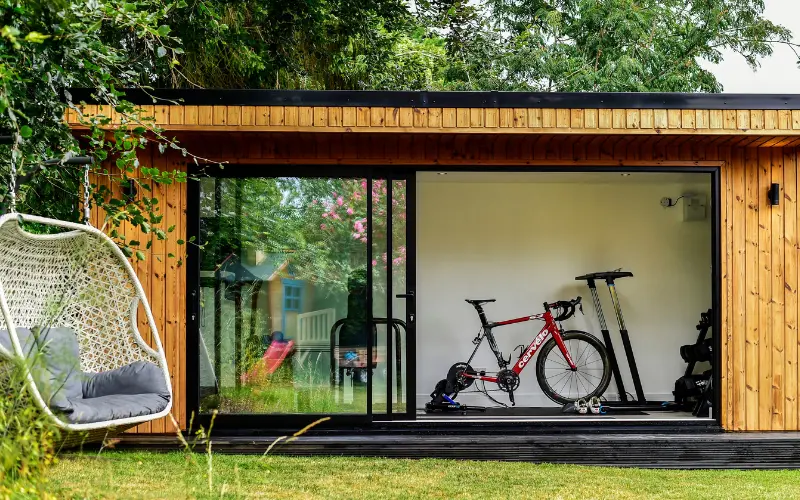
Ventilation usually plays a major role here. Large sliding doors, bifold doors, and opening windows positioned across different sides of the building help create natural airflow throughout the day. This keeps the space feeling fresher without relying entirely on mechanical cooling.
During particularly hot days, keeping doors, blinds, and windows closed through the hottest part of the afternoon can actually help keep the room cooler. Many people instinctively open everything immediately, but if the air outside is hotter than the air inside, the building will simply absorb more heat. We often advise homeowners to ventilate early in the morning or later in the evening once temperatures begin dropping again.
The type and positioning of glazing also affect how warm the building feels. Larger glazed sections facing direct afternoon sun will naturally increase heat gain, which is why balancing light, airflow, and shading becomes important during the design stage.
Small Design Choices Can Affect the Garden Room for Summer Comfort
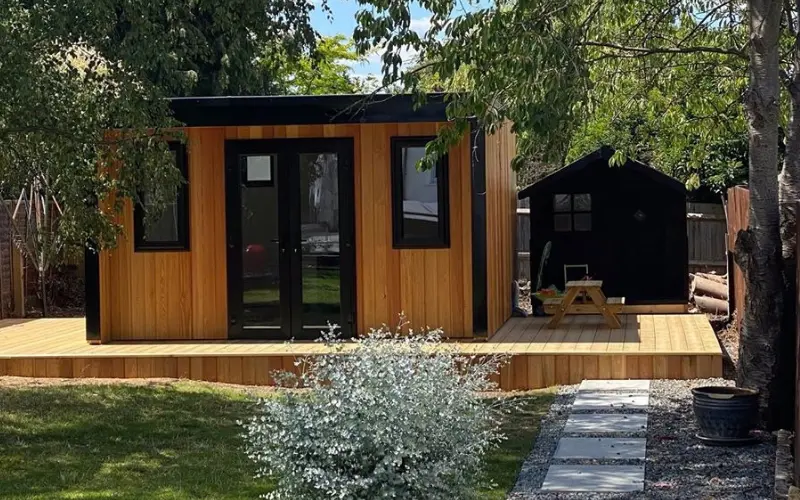
The colour of the building can influence how much heat it absorbs during prolonged sunshine. Lighter exterior finishes such as soft greys, creams, and pale natural tones generally reflect more sunlight, helping reduce heat transfer indoors.
Darker finishes absorb more warmth, particularly on south-facing elevations. That does not mean darker colours should be avoided entirely, but it is something worth considering if keeping the building cooler is a priority.
Garden positioning matters too. We often see buildings installed tightly into corners where airflow becomes restricted during still weather. In practice, allowing space around the structure for ventilation can make a noticeable difference once temperatures rise.
This is why we encourage homeowners to opt for a no-obligation site survey with us. It plays a pivotal role in the decision-making process and helps homeowners ensure that the designated area is suitable for a summer garden room.
Simple additions such as roof overhangs, external shade, planting, or blinds can also help create a more comfortable internal environment during heatwaves.
Building a Summer Garden Room for Long-Term Use
What makes a garden room appealing during the summer is not simply that it works during warm weather. It is hoped that the space continues to feel practical throughout the rest of the year as well.
At London Timber Buildings, we also work with a trusted contractor to supply and install AC and heating units. Alternatively, we can prepare the building with an AC isolator if homeowners would prefer to install air conditioning later on.
Most garden rooms begin as occasional spaces. In reality, they often become one of the most lived-in parts of the property once the seasons begin changing around them.
If you are already thinking about making the most of the warmer weather, here is a quick guide on creating the perfect BBQ weather garden setup, exploring how garden rooms are increasingly becoming part of everyday summer living in UK homes.
Whether you are planning a quieter space to work through summer, somewhere to host family evenings, or simply a garden room for summer evenings and year-round comfort, speak to the team at London Timber Buildings about designing a space built for long-term everyday living.
.webp)
