How Garden Buildings Come to Life with London Timber Buildings
.webp)
There's a moment on every project when the garden still looks exactly as it did a few weeks before. The grass untouched, a messy patio, and aside from a spade leaning against the fence, you'd never know anything was about to happen.
It's probably the calmest part of the whole process. That's because a good garden building doesn't begin when the first piece of timber arrives. It begins much earlier. Before anyone starts thinking about cladding, windows or roof finishes, there's one simple question to answer.
How do you want this space to work? And, the answer is different for everyone.
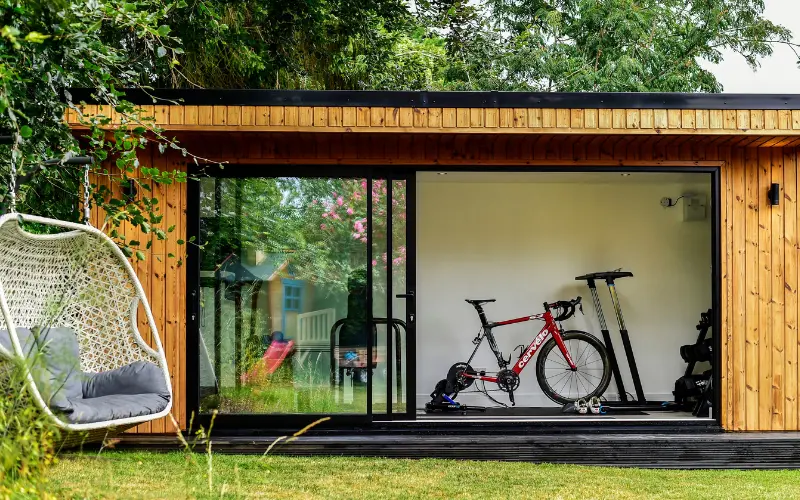
Sometimes it's a home office where the commute is twenty steps across the garden. Sometimes it's somewhere to exercise, a place to entertain, or somewhere for family and friends to stay. The garden building might change, but the process doesn't. It always starts with understanding the space before deciding what should be built within it.
Let’s Start at the Beginning
At London Timber Buildings, we first start by talking through your ideas, the next step is putting everything into a detailed quotation. Nothing is left vague or unanswered. You'll know exactly what's included before deciding whether to move forward.
After that comes the site survey.
On paper, it sounds like a fairly ordinary appointment. In reality, it's usually where the project starts making sense.
Standing in the garden tells you things a drawing never can. You notice where the afternoon sun falls, how the existing landscaping frames the space, whether access is straightforward and how the timber frame building will naturally sit within the garden. Drainage is considered, measurements are checked, and it's the perfect opportunity to ask every question that's been sitting in the back of your mind.
Sometimes the original idea stays exactly as it was, other times, moving the building slightly or changing the layout makes everything work that little bit better.
It's much easier to adjust a drawing than a finished timber frame building.
From Sketches to Something Real
Once the survey is complete, we begin with the finer details.
Room sizes are confirmed, windows find their place, doors are positioned and the internal layout starts to come together. If you'd like a shower room, a hidden storage area or separate spaces for work and exercise, this is when those decisions are made.
Because every project is bespoke, the design grows around the way you'll use the space, rather than asking you to adapt to a standard layout.
A full plaster finish creates clean walls ready for decorating, while workshop or storage areas can be finished with durable 12mm ply and upgraded flooring that's better suited to everyday wear. It's a simple change, but one that makes the space far more practical.
By the time the drawings are approved, there shouldn't be any surprises left.
The Details Most People Never See
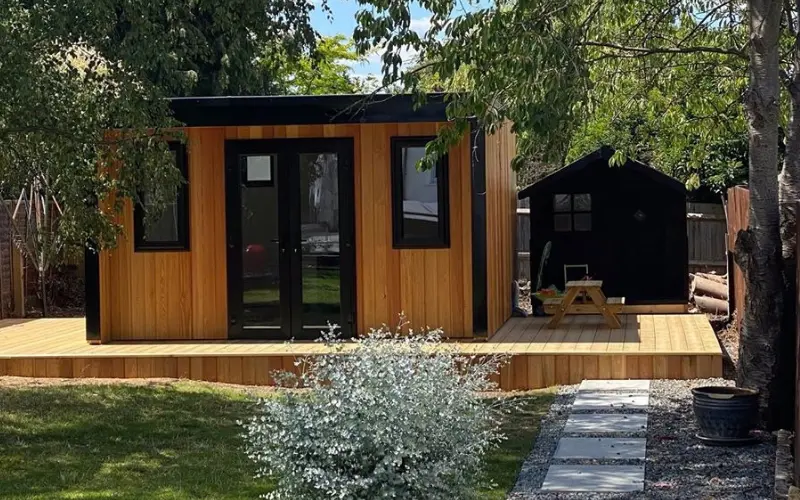
Walk into a finished garden room or an annexe and your eyes are naturally drawn to the obvious things first. The timber cladding, the glazing, the flooring and the amount of natural light coming through the windows.
They're important, of course, but they're only part of the story.
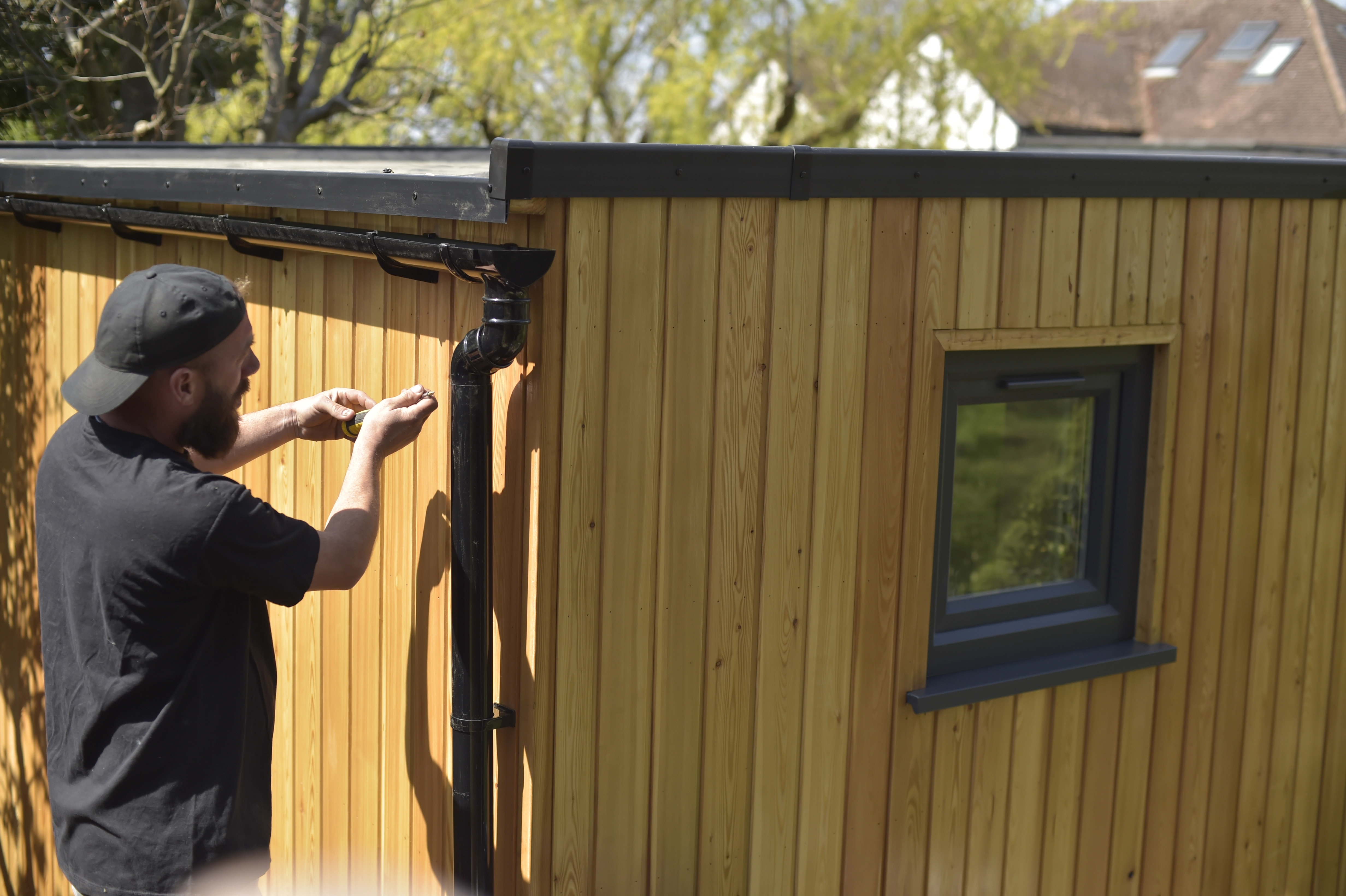
Behind those finished walls is the insulation that keeps the room comfortable throughout the year. Around every window and door are carefully detailed junctions designed to cope with changing weather. The exterior cladding, whether that's Thermowood, Western Red Cedar, composite or K-Render, has been chosen not simply because it looks good, but because it will keep performing for years.
That's really what craftsmanship is. It’s not about adding more, it’s about getting the important things right.
Here is our guide on how craftsmanship helps build the longevity of your garden building.
Watching Your Timber Frame Building Come Together
Once construction begins, things move quickly.
You'll see the structure take shape day by day. The frame appears, the roof follows, windows are installed and the room gradually starts looking exactly like the drawings you've been staring at for weeks.
All of our garden rooms and annexes come pre-wired as standard, so lighting fixtures and sockets are installed as the building progresses rather than being an afterthought.
Most of our garden buildings are completed around three weeks from the start of the works, although every project is given the time it needs. There's little value in finishing a few days earlier if it means compromising the details.
Before the project is signed off, we walk through the finished timber frame building together. It's a chance to make sure everything has been completed exactly as expected before handing the space over to you.
Garden buildings are designed to make everyday life easier, and with the right craftsmanship, they often become even more valuable than you first imagined.
When It Starts Feeling Like Home
This is probably our favourite part, the moment the building no longer feels like a project.
This is where the space starts to become your own. The desk arrives, a vase appears on the windowsill or a cosy rug on the floor. Perhaps there's a yoga mat in the corner or a few picture frames on the wall. Before long, it feels as though the room has always been there.
That's when the planning, the drawings and the construction quietly fade into the background.
Which, in many ways, is exactly what good craftsmanship should do.
%20(1).webp)
Thinking About Your Own Garden Building?
If you're considering one of our bespoke garden buildings or timber frame buildings, we'd love to hear what you have in mind.
Whether your ideas are fully formed or you're still deciding how the space could work, we'll guide you through each stage of the process, from the first conversation and free site survey to the final walkthrough, helping you create a building that's designed around the way you want to live.
.webp)
