10 Garden Gym Ideas to Build Your Dream Workout Space
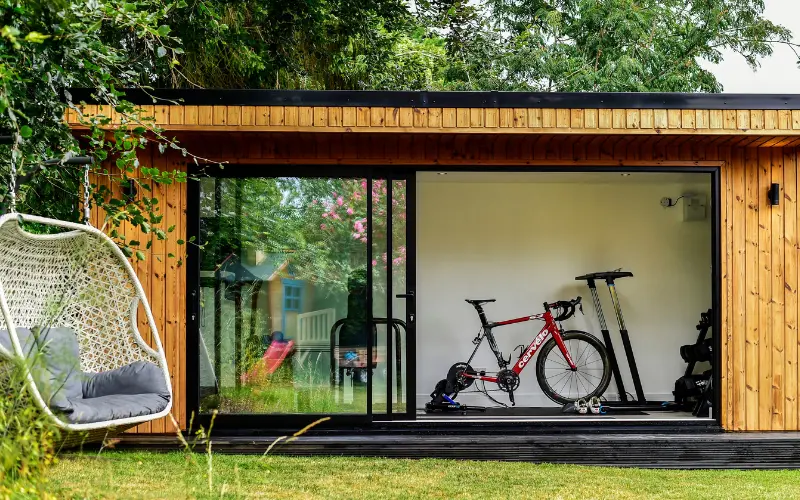
The mornings are getting crisper, the evenings are drawing in, and after a particularly good British summer, there is finally a hint of autumn in the air.
Longer days and warmer weather may have made it easier to stay active over the past few months. As we move towards autumn and winter, keeping that routine going can become slightly harder, especially when a workout involves packing a bag and travelling to the gym on a cold, dark evening.
A garden gym takes that part out of the equation. You still have a dedicated place to exercise, but the commute is only across the garden. It also gives you more privacy if busy gyms are not really your thing.
The important part is designing it around how you actually train. Here are ten garden gym ideas worth thinking about from London Timber Buildings.
1. Start With How You Actually Train in Your Gym
It is tempting to begin with the equipment, but start with your routine instead.
Someone using a treadmill and exercise bike needs a very different layout from someone training with a squat rack and free weights. Yoga and Pilates need less equipment but much more clear floor space.
We would always leave enough room to move comfortably rather than trying to fill every corner. Your equipment needs to fit, but so does the workout itself.
.webp)
2. Get the Flooring Right
Heavy gym equipment can put a surprising amount of pressure on a floor, particularly power racks, treadmills and larger weight sets.
If you know heavier equipment will be part of your garden room gym, we can always make adjustments to support your floor for that extra endurance. Rubber gym flooring is also worth considering to absorb impact, reduce vibration and protect the floor underneath.
It is much easier to account for this during the build than to solve it afterwards.
.webp)
3. Enjoy Your Garden Workout With Mirrors
Mirrors are useful for checking your form, but they can also make a smaller garden gym feel considerably more open.
You do not necessarily need an entire mirrored wall. A full-height mirror beside your main training area can work perfectly well, particularly when positioned to reflect natural light from the garden.
Sometimes one thoughtfully placed mirror does more for the room than covering every available wall.
.webp)
4. Don't Forget About Ventilation
A hard garden workout produces heat and moisture fairly quickly, and that moisture needs somewhere to go.
Opening windows, trickle vents and glazed doors can provide natural airflow, while a gym used regularly for high-intensity exercise may benefit from additional ventilation or climate control.
This is particularly important in winter when you are less likely to train with the doors wide open. In a timber building, managing moisture properly helps keep both the room and your equipment in better condition.
5. Design It for January Too
A garden gym is easy to enjoy with the doors open on a sunny July morning. January is the better test.
Good insulation through the floor, walls and roof helps keep the internal temperature manageable throughout the year. A heating or climate control unit can then make those colder early-morning and evening sessions much more comfortable.
Glazing matters too. Plenty of glass brings in lovely natural light, but its position should be carefully considered to maintain enough wall space for gym equipment, mirrors, and storage.
6. Give Different Garden Workouts Their Own Space
If you mix cardio, weights and floor exercises, loosely zoning the room can make it much easier to use.
You might keep cardio equipment towards the windows, weights on a more heavily protected section of flooring, and an open area for stretching or yoga. Storage can sit around the edges where it does not interrupt the workout space.
There is no need for partitions. A little planning is usually enough to make even a smaller garden room gym feel organised rather than crowded. And if you do not need the entire room for training, the same thinking can be used to create a combined garden office and gym, giving you a practical workspace during the day without losing your dedicated area to exercise.
.webp)
7. Check the Head Height
For most garden gyms built under Permitted Development, the external height is capped at 2.5 metres when positioned close to a boundary. This typically gives an internal ceiling height of around 2.05 to 2.15 metres, which is plenty for bench presses, squat racks and most cardio equipment.
If overhead shoulder presses, pull-up rigs or taller functional trainers are part of your workout, you may need a little more clearance. We can account for this at the design stage with options such as a higher roof profile, which may require planning permission, or by discussing foundation options to help maximise the internal head height.
8. Make Natural Light Work for You
Large windows and glazed or bi-fold doors can make a garden room gym a much nicer place to train, particularly when you have a view across the garden.
We look at sunlight, surrounding shade and the position of the building as part of the design. The aim is to bring in plenty of daylight without making temperature harder to manage.
9. Plan Your Power Beforehand
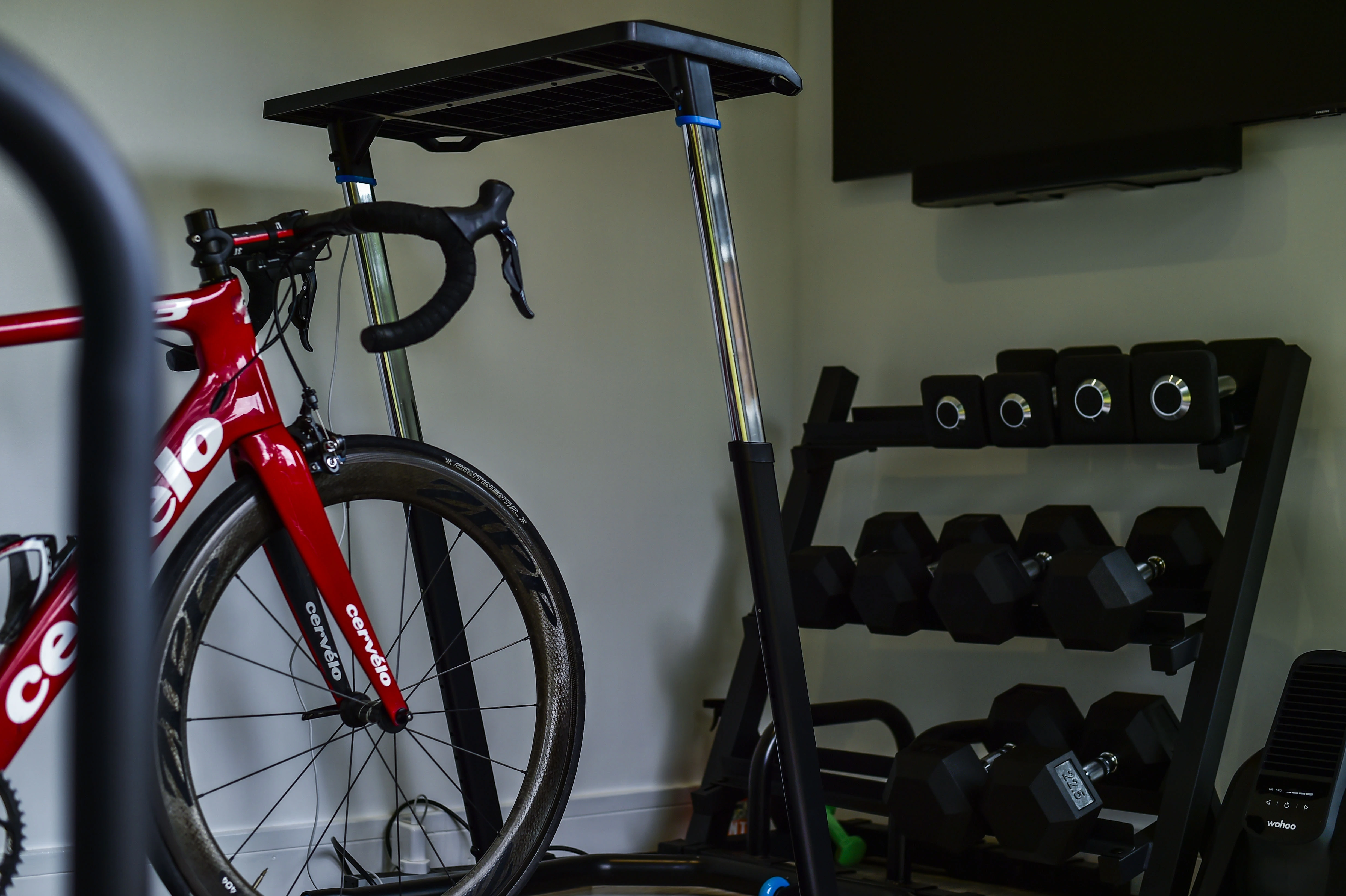
Treadmills, exercise bikes, televisions, speakers, lighting, fans and climate control can quickly turn into quite a list of things needing power.
Planning the equipment layout early means sockets can be installed where they will actually be used rather than relying on extension leads later.
The same goes for internet access. If online classes or connected fitness equipment are part of your routine, it is worth thinking about Wi-Fi or a wired connection while the room is being built.
10. Think About the Neighbours
Not every garden gym needs additional soundproofing. Yoga and cycling are one thing. Deadlifts, dropped weights and loud music are another.
Insulation and double glazing already help reduce sound, but additional acoustic insulation and rubber flooring can be considered for noisier training styles.
Where the building sits in the garden matters too. If it is close to a neighbouring boundary, it is worth thinking about noise before the first weight hits the floor.
Build Around the Workout You'll Actually Do in The Garden Room Gym
A good garden gym does not need to recreate a commercial gym at home. It needs to work for you.
That could mean a serious weight set-up, a bright space for yoga and Pilates, or simply somewhere for a treadmill, bike and a few dumbbells. What matters is getting the practical details right so the room remains comfortable and useful beyond its first summer.
If you are considering a bespoke garden gym, speak to the London Timber Buildings team about how you train, the equipment you use and the space available in your garden. We can help you create a garden room designed around your routine and built for year-round use.
.webp)
