Wabi-Sabi Garden Ideas: Bringing Japanese Simplicity to Your Outdoor Space
A garden is one of the few places at home where we can feel truly close to nature. It changes with the seasons, responds to the weather and gives us space to slow down and enjoy the beauty of the natural world at its most immediate.
That connection sits naturally with the idea of wabi-sabi. Rooted in Japanese philosophy, wabi-sabi embraces simplicity, natural materials and the quiet beauty found in things that are not perfectly uniform.
For homeowners considering a garden room, it offers a thoughtful way to bring the building and landscape together, creating a space that feels calm, considered and connected to its surroundings.
What Is a Wabi-Sabi Garden?
Wabi-sabi is a Japanese philosophy that finds beauty in imperfection, change and the natural ageing of materials. Applied to garden design, it encourages a more relaxed approach than highly formal or symmetrical landscaping.
Paths might curve gently through planting rather than following rigid lines. Timber grain can remain visible, while stone, gravel and clay introduce subtle differences in colour and texture. Seasonal planting also allows the space to shift naturally throughout the year.
The result should still feel intentional. A wabi-sabi garden is not unfinished or neglected, but thoughtfully designed in a way that leaves room for materials, planting and the wider landscape to develop character over time.
Keep the Design Simple
One of the easiest wabi-sabi garden ideas to introduce is simply reducing the number of competing materials and features.
A restrained combination of timber, stone, gravel and planting often works better than trying to introduce lots of different finishes. Repeating the same materials in different parts of the garden can also help connect the space visually.
Natural texture is particularly important. Timber brings warmth, stone gives structure, and softer planting helps blur the edges between different areas of the garden.
Rather than making every feature symmetrical, allow a little variation. A path does not need to be completely straight, and planting does not need to sit within perfectly defined borders. Often the spaces that feel most relaxed are those where the landscaping has been given room to soften naturally.
Choose Materials With Natural Character
Materials are a large part of what gives a wabi-sabi garden its atmosphere.
Timber works particularly well because every board has slightly different grain and colouring. With the right treatment and detailing, it can retain that natural appearance while performing well outdoors for many years.
Stone and terracotta bring a similar sense of individuality. Subtle differences in colour and texture stop the garden from feeling too uniform, while gravel can create softer transitions between planting, pathways and buildings.
From a practical point of view, material choice should still suit the garden itself. Areas that remain shaded or damp through winter may need a different approach from sunny, well-drained parts of the garden. Good design should always respond to the conditions rather than working against them.
Let Planting Feel Natural
Planting in a wabi-sabi garden tends to feel relaxed rather than highly structured.
Japanese maples, ornamental grasses, ferns and evergreen planting can all work beautifully, but there is no fixed planting list. What matters more is choosing species that suit the light, soil and exposure of your garden.
We often find that homeowners begin with the appearance of a plant and only later think about where it will sit. In practice, the position matters just as much. A sheltered corner, shaded boundary or open south-facing garden will each support very different planting.
Seasonal change can also become part of the design. Fresh spring growth, softer autumn colours and grasses left standing through winter all give the garden a different character throughout the year.
%20(1).jpg)
Create a Natural Route Through the Garden
Japanese gardens often give as much thought to the journey through the space as they do to individual features.
That can be as simple as using stepping stones through planting or allowing a gravel path to take a softer route towards a garden room.
The practical side still matters. Paths need to remain stable and comfortable underfoot during wet UK winters, and water should be able to drain away rather than collecting around entrances or foundations.
A good layout usually finds a balance between the two. The route should feel relaxed without becoming awkward to use.
.jpg)
Bringing Water and Stone Into the Garden
Water can introduce a gentle focal point without needing to dominate the space. A simple bowl, small pond or understated water feature can bring movement and reflection into a quieter part of the garden.
Stone works particularly well alongside it. Larger pieces placed among planting tend to feel more natural than highly polished decorative features, particularly once plants begin growing around them.
These details tend to work best when used sparingly. Wabi-sabi is less about filling the garden with recognisably Japanese features and more about creating the same sense of simplicity and balance.
If you are interested in creating a space that feels calmer and more restorative, you may also enjoy our guide to creating a bespoke garden wellness space.
.jpg)
Japanese Style Garden Rooms
Japanese style garden rooms usually work best when the architecture remains simple.
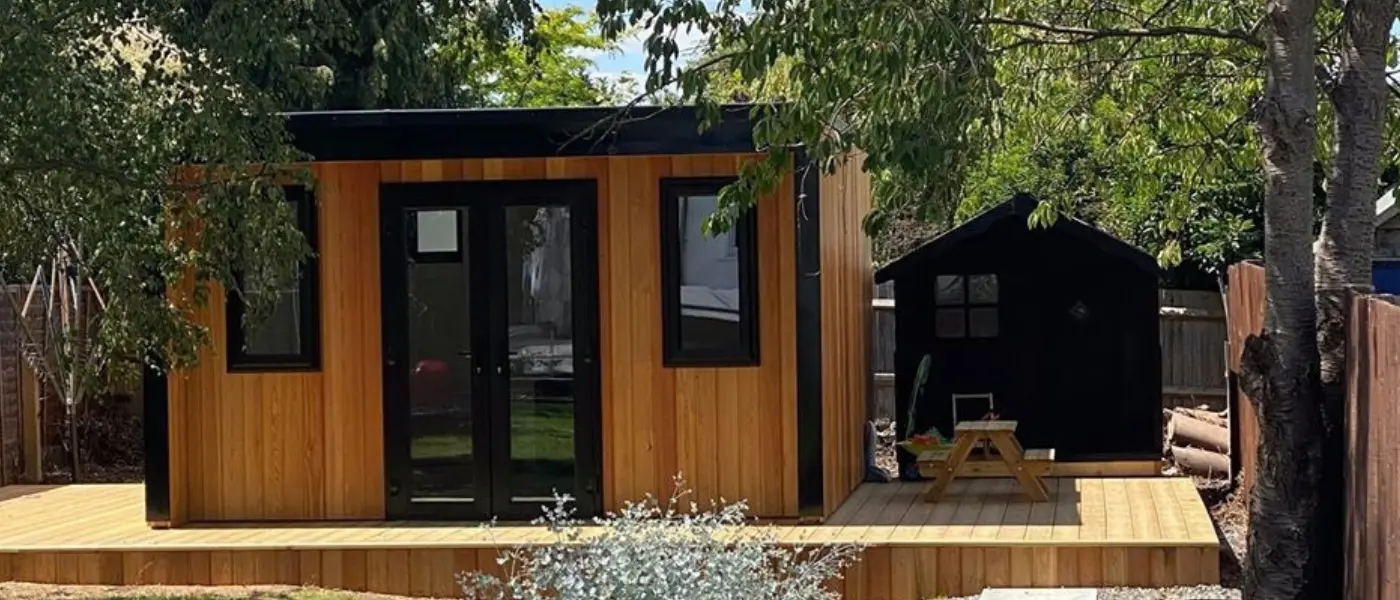
Clean proportions, natural timber and carefully positioned glazing can create a building that feels connected to the garden without becoming overly themed. Planting around the building can soften its edges further and help it settle naturally into its surroundings.
When we design garden rooms, positioning is always one of the first practical considerations. The direction of the sun affects both comfort and light, while existing trees, boundaries and neighbouring properties can influence where glazing makes the most sense.
It is worth spending some time in the garden before deciding. Think about where the morning and afternoon light falls, which views you want to keep and how you will approach the building during wetter months.
Those decisions tend to shape how enjoyable the room is far more than decorative details added afterwards.
.webp)
Keep the Interior Calm
The same simplicity can continue inside the garden room.
Natural timber details, neutral finishes and uncluttered furniture can create a calm space without making it feel themed. Large windows can also make the planting outside part of the interior, particularly where the room looks towards a well-established part of the garden.
The practical elements should come first, though. Good insulation, quality glazing and suitable heating are what make a garden room genuinely comfortable throughout the year.
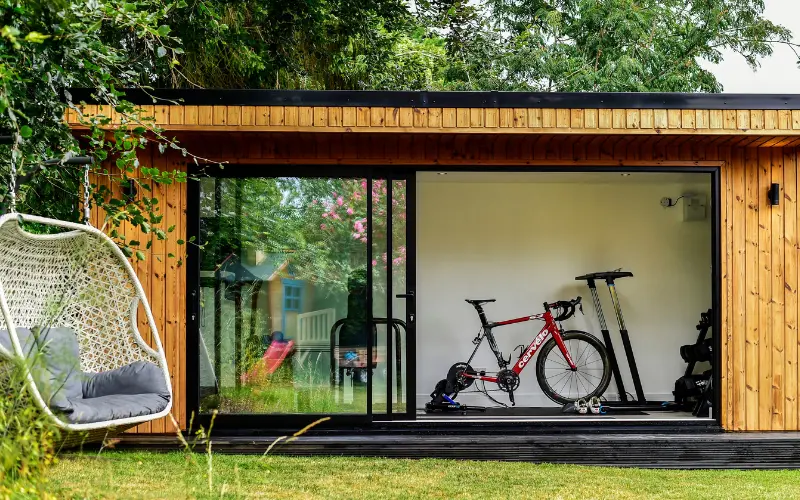
We often see homeowners start by thinking about furniture and finishes. It is usually more useful to begin with how the room will actually be used. A home office, reading room and garden gym may look similar from outside, but the ideal layout, lighting and heating can be quite different.
There is also something to be said for the quieter atmosphere timber can bring to a space, which we explore further in our article on the calming influence of a timber garden room.
.webp)
Designing a Wabi-Sabi Garden Around a Garden Room
You do not need to redesign the entire garden to introduce wabi-sabi principles.
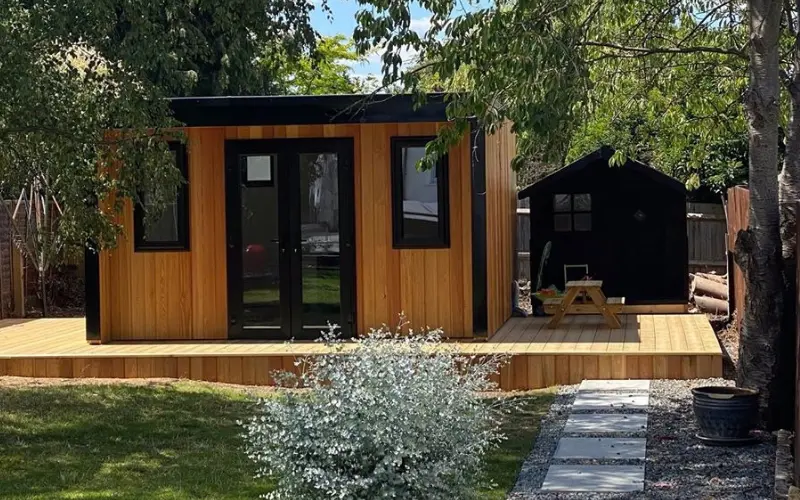
Sometimes a few thoughtful changes around the garden room are enough. Softer planting can help frame the building, while a gravel or stone pathway can create a gentler connection with the house. A simple timber bench, carefully positioned planter or small area of ornamental grasses can bring texture without making the garden feel busy.
Then give it some time. New garden rooms and freshly planted gardens naturally feel crisp when they are first completed. As planting establishes and the different elements begin to sit together, the garden starts to develop its own character.
That gradual change is really what wabi-sabi is about. A garden does not need to feel completely finished on the day it is built. Often, the spaces that become most enjoyable are the ones that are allowed to settle and grow around the people using them.
If you are considering a garden room and want to create something that feels naturally connected to the rest of your garden, speak to our team at London Timber Buildings. We can help you think through the design, positioning and practical details so the finished space works beautifully for how you plan to use it.
.webp)
