Garden Room Checklist for Autumn & Winter
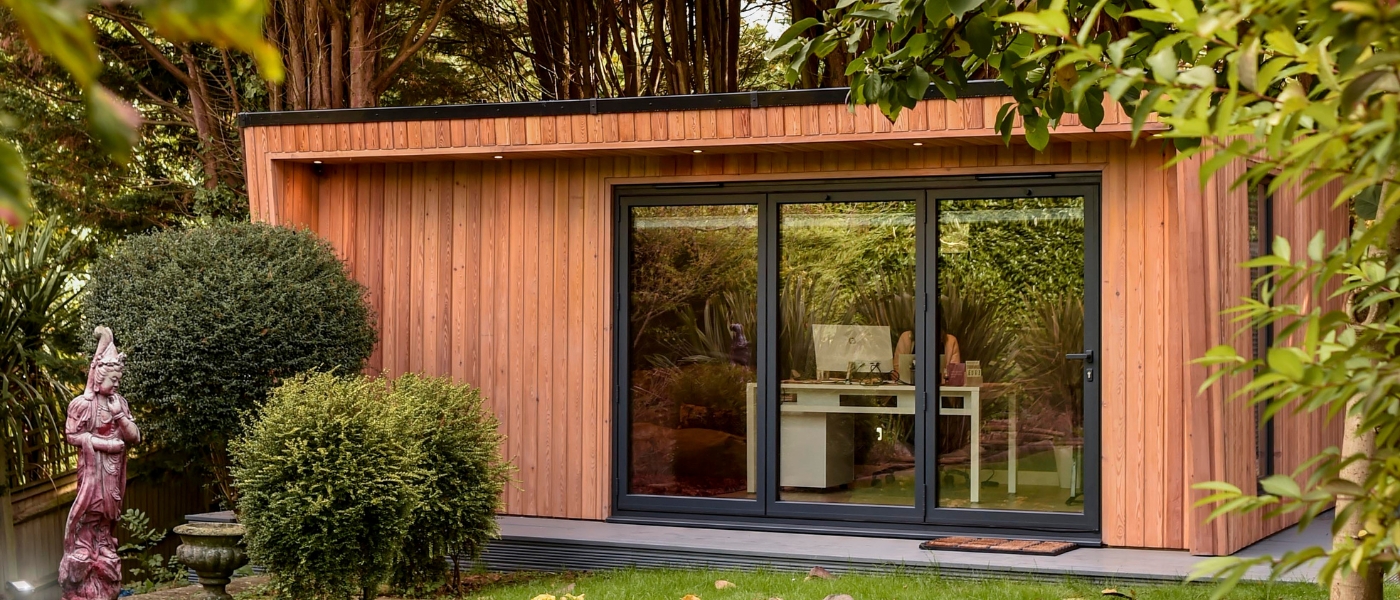
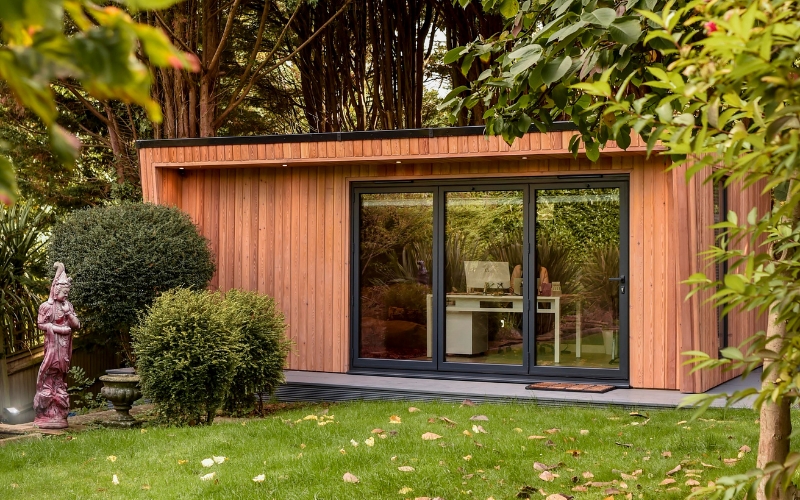
As autumn settles in, falling leaves, heavier rainfall and colder temperatures become part of everyday life in a British garden. While a well-built garden room is designed to handle these seasonal changes, a little preparation can help keep it in top condition.
Whether you use your space as a home office, gym or somewhere to relax, this practical garden room checklist covers a few simple things worth checking before winter arrives.
1. Winter Garden Room Maintenance: Check Your Roof and Gutters
Leaves and debris can quickly build up in gutters, particularly if your garden room is positioned near trees. When drainage becomes blocked, rainwater may overflow onto the cladding or collect around the base of the building.
Before winter, check that gutters, downpipes and accessible drainage points are clear. It is also worth looking at where rainwater goes during heavy showers to make sure it is flowing away from the foundations.
In the UK, managing moisture is particularly important for timber buildings. Keeping water moving away from the structure is one of the simplest ways to support its long-term condition.
2. Inspect Your Garden Room Cladding Before Winter
Timber naturally responds to changing weather conditions, so autumn is a good opportunity to inspect the exterior of your garden room.
At London Timber Buildings, we offer Thermowood cladding as standard, alongside options such as Western Red Cedar, composite cladding and K-Render. Natural timber can gradually weather to a silver-grey colour, while protective finishes may need occasional attention depending on exposure.
Look for areas where the finish appears faded, worn or patchy. We use and supply Osmo and Bird Brand timber treatments to help protect exterior wood against weathering. For more detailed advice, our guide to garden room maintenance and looking after timber explains what to look for and when treatment may be needed.
3. Check Garden Room Drainage Before Heavy Rainfall
Autumn and winter often reveal drainage issues that are less noticeable during the summer. Gardens with clay-heavy soil, shaded areas or sloping ground can retain water for longer after heavy rainfall.
Take a look around the base of your garden room, particularly after a wet day. If water regularly collects in one area, it may be worth improving the surrounding drainage before the ground becomes saturated.
We consider ground conditions, positioning and foundations when designing our bespoke garden rooms, as these can make a real difference to how a building performs over time.
4. How to Keep Your Winter Garden Room Warm and Comfortable
A properly insulated winter garden room should remain comfortable even when outdoor temperatures drop. The quality of the insulation, glazing and construction all play a part in retaining warmth.
Before the colder weather sets in, test your heating and check that doors and windows close properly. Worn seals or poorly adjusted doors can allow draughts into the space, making heating less efficient.
Our garden rooms are designed for year-round use, with full insulation and carefully considered internal finishes. If you're planning a new building, it is worth thinking about how frequently you'll use it during winter, as this can help inform the heating, glazing and layout from the outset.
5. Garden Room Ventilation During Autumn and Winter
When temperatures fall, it is natural to keep doors and windows closed. However, regular ventilation remains important, particularly in garden rooms used daily as offices or gyms.
Warm air naturally carries moisture, and condensation can develop when it comes into contact with colder surfaces. Maintaining a comfortable temperature and allowing fresh air to circulate helps manage this.
Opening windows occasionally and keeping any ventilation openings clear can make a difference. It is also worth checking for condensation around glazing during colder mornings.
6. Prepare Your Garden Room and Surrounding Garden for Winter
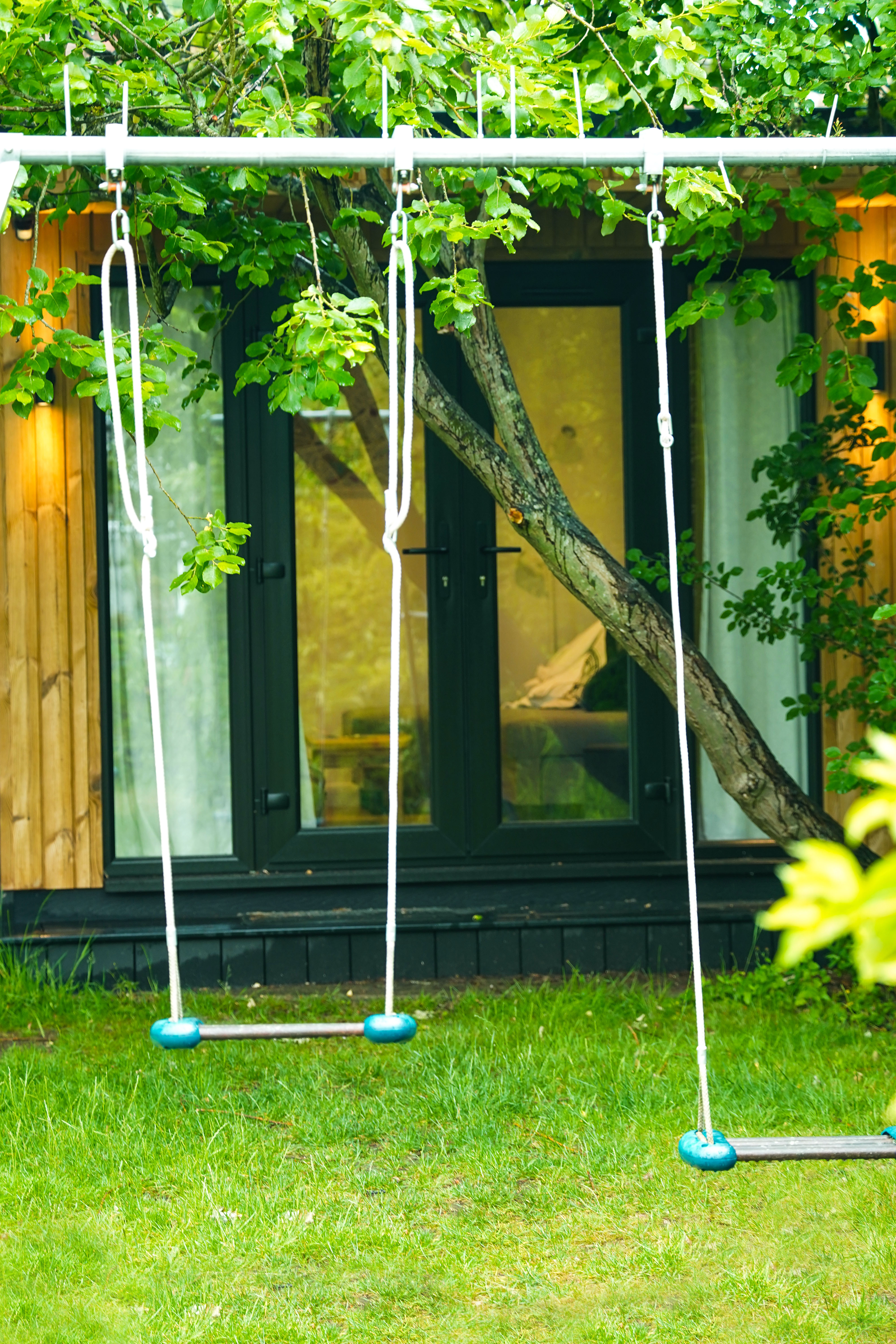
A little attention to the surrounding garden can help protect the building through winter. Overgrown shrubs, fallen leaves and items stored against external walls can restrict airflow and keep surfaces damp for longer.
Trim back vegetation where needed, clear leaves from around the base and make sure paths remain accessible. If you use your garden room in the evenings, checking outdoor lighting is worthwhile too, particularly as daylight hours become shorter.
These are relatively small jobs, but they help keep the building accessible and make seasonal inspections easier.
Keeping Your Garden Room in Good Condition Year-Round
Most garden rooms benefit from a general inspection in spring and autumn. It is a simple way to spot changes in timber finishes, drainage or external fittings before they need more attention.
With the right materials, good construction and regular care, a timber garden room can remain a practical part of your home for decades.
If you're considering adding a garden room to your property, get in touch with our team. We can help you think through the materials, positioning and practical details that will keep your building comfortable and easy to maintain throughout the seasons.