Garden Room Insulation Explained: What Keeps the Cold Out and the Warmth In?

Can a garden room really stay warm throughout a British winter? It is a common question among homeowners, particularly when planning a space they intend to use all year round.
The answer largely depends on how the building is constructed. Good garden room insulation helps retain heat, regulate indoor temperatures and reduce the amount of energy needed for heating. But insulation alone is not the whole picture. Materials, ventilation and window placement also make a difference.
Why Is Garden Room Insulation Important?
Timber is naturally a good building material, but timber walls alone cannot provide the level of insulation needed for comfortable year-round use.
Heat can escape through the walls, roof and floor if these areas are not properly insulated. In practice, homeowners often focus on wall thickness, overlooking how much difference a well-insulated floor and roof can make.
Good insulation also helps during summer by slowing heat transfer into the building. Combined with suitable ventilation, it makes indoor temperatures easier to manage throughout the seasons.
How Are Our Garden Rooms Insulated?
At London Timber Buildings, our garden rooms are built with year-round comfort in mind.
As standard, we include 100mm acoustic insulation in the walls, floor and roof, alongside foil-backed plasterboard to help manage moisture and reduce heat loss.
Walls, Floors and Roofs
Each part of the structure plays an important role. Wall insulation reduces heat escaping through the sides, while roof insulation helps retain warmth that would otherwise be lost through the ceiling.
Floor insulation is equally important, particularly during colder months when an uninsulated floor can make a room feel cold underfoot.
Moisture Control and Ventilation
In the UK, moisture management is an important part of timber construction. Foil-backed plasterboard provides additional resistance to water vapour, helping protect the building structure when correctly installed.
Good ventilation works alongside insulation to manage condensation and maintain a comfortable indoor environment.
Garden Room Heating: Which Option Works Best?
A properly insulated garden room generally requires less energy to maintain a comfortable temperature, making the choice of heating more straightforward.

For a garden office used daily, an electric panel heater with a thermostat may be sufficient. For larger spaces or rooms used throughout the year, an air conditioning unit with a heating function can provide more flexible temperature control.
The most suitable garden room heating option depends on the room's size, insulation performance and how frequently it will be used. It is always worth planning heating during the design stage rather than adding it as an afterthought.
Do Windows and Doors Affect Insulation?
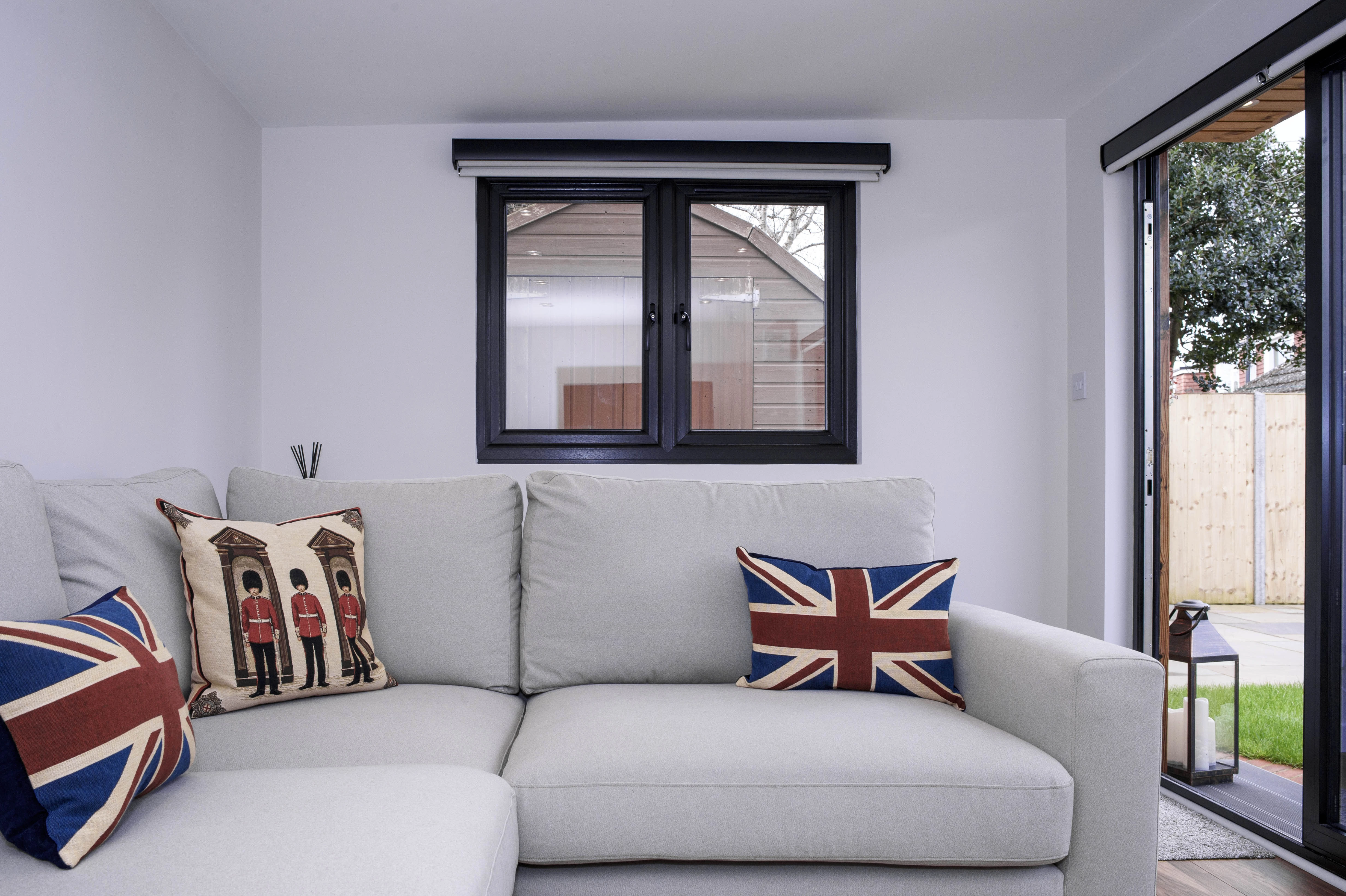
Windows and doors can significantly influence how well a garden room retains warmth.
Well-fitted frames and suitable glazing help minimise heat loss and draughts. At London Timber Buildings, we offer aluminium and uPVC windows and doors in different configurations, allowing homeowners to balance natural light, ventilation and practical use.
Positioning also matters. South-facing glazing can bring useful warmth during winter, while appropriate shading and ventilation help manage temperatures during summer.
Can Fully Insulated Garden Rooms Be Used All Year?
Yes, provided the building has been designed with suitable insulation, heating and ventilation.
A comfortable garden room depends on the complete structure working together, from its insulated floor and roof to the quality of its windows and external finishes.
We also offer upgraded insulation options for homeowners who need additional acoustic performance or higher specifications for garden annexes.
Getting Garden Room Insulation Right
Good insulation makes a noticeable difference to how comfortable a garden room feels throughout the year, particularly during the colder months. Understanding what insulation is included and how the building manages heat and moisture can help you make a more informed decision.
If you're planning a fully insulated garden room and want to make sure it's comfortable for year-round use, get in touch with our team. We're happy to talk through your plans and help you find a practical solution for your garden.